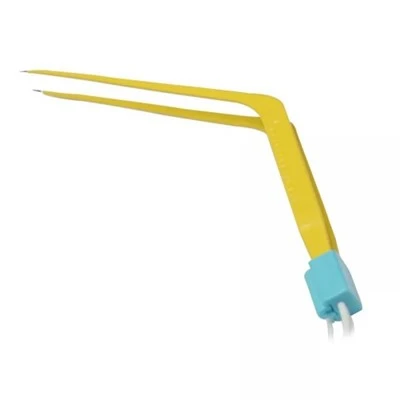
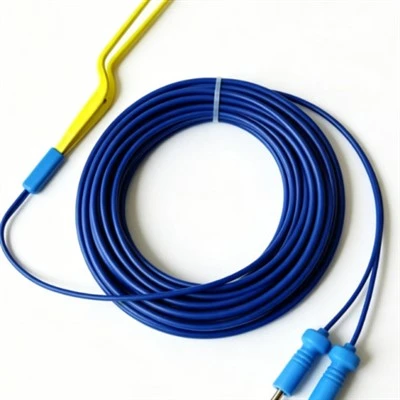
Hey there! As a supplier of Straight Tip Bipolar Forceps, I've seen firsthand how the tip material can significantly impact the performance of these essential surgical tools. In this blog, I'll break down the key factors related to bipolar forceps tip material and how it influences their functionality.
Understanding Bipolar Forceps Basics
Before we dive into the tip material, let's quickly go over what bipolar forceps are for. These forceps are widely used in surgical procedures to control bleeding by applying an electrical current to the tissue. The current passes between the two tips of the forceps, creating a coagulation effect that seals blood vessels. This process is crucial in minimizing blood loss and ensuring a clear surgical field, which is super important for the success of the operation.
Different Types of Bipolar Forceps
There are several types of bipolar forceps available in the market, each designed for specific surgical needs. You've got the Surgical Bipolar Forceps, which are the general - purpose ones used in a variety of surgeries. Neurosurgery Bipolar Forceps are specially designed for delicate brain and spinal surgeries, where precision is of the essence. Micro Bipolar Forceps are used in microsurgeries, requiring extremely fine control. Fine Tip Bipolar Forceps offer a more precise application, and Curved Tip Bipolar Forceps are useful for reaching awkward angles during surgery.
The Role of Tip Material
The tip material of bipolar forceps plays a pivotal role in determining their performance. Here are some of the key aspects influenced by the tip material:
Electrical Conductivity
One of the most important factors is how well the tip material conducts electricity. A high - conductivity material allows for efficient transfer of the electrical current to the tissue. This means quicker and more effective coagulation. Materials like stainless steel are commonly used due to their good electrical conductivity. However, different grades of stainless steel can have varying conductivity levels, which can directly impact the speed and quality of the coagulation process.
Durability
Surgical procedures can be quite demanding, and the forceps tips need to withstand repeated use. Durable tip materials ensure that the forceps can maintain their shape and performance over time. For example, tungsten - based tip materials are known for their high hardness and wear resistance. They can handle the rigors of multiple surgeries without significant degradation, which saves costs in the long run as you don't have to replace the forceps as often.
Tissue Adhesion
Another crucial aspect is how much the tissue adheres to the forceps tips during the coagulation process. Some tip materials have a lower tendency to stick to the tissue, which is a huge advantage. It allows for smoother surgery as the surgeon can easily detach the forceps from the coagulated tissue without causing additional trauma. Platinum - iridium alloy tips are known for their anti - adhesion properties. This reduces the risk of pulling or tearing the delicate tissue, leading to better patient outcomes.
Precision
In surgeries, especially those that require a high level of precision like neurosurgery or microsurgery, the tip material can affect how accurately the forceps can be used. A material that allows for a fine and sharp tip can provide better control. For instance, the tips of Micro Bipolar Forceps need to be extremely precise to work on tiny blood vessels or nerves. Materials like titanium can be shaped into very fine tips, enabling surgeons to perform delicate procedures with greater accuracy.
Common Tip Materials and Their Characteristics
Let's take a closer look at some of the most commonly used tip materials for bipolar forceps:
Stainless Steel
Stainless steel is a popular choice due to its relatively low cost, good electrical conductivity, and corrosion resistance. It's a versatile material that can be used in a wide range of bipolar forceps. However, it may have some drawbacks, such as a higher tendency for tissue adhesion compared to some other materials.
Tungsten
Tungsten is known for its exceptional hardness and durability. It can withstand high temperatures and mechanical stress, making it ideal for long - term use. Tungsten tips are often used in forceps that are subjected to heavy use in surgical procedures. But tungsten can be brittle, so it needs to be used carefully to avoid tip breakage.
Platinum - Iridium Alloy
As mentioned earlier, platinum - iridium alloy is great for its anti - adhesion properties. It also has good electrical conductivity and is biocompatible, which means it's less likely to cause an adverse reaction in the patient's body. However, it's a more expensive material, which can increase the cost of the forceps.
Titanium
Titanium is lightweight, strong, and has good biocompatibility. It can be machined into very fine and precise tips, making it suitable for delicate surgeries. Titanium also has a relatively low reactivity with body tissues, reducing the risk of inflammation.
How Tip Material Affects Different Surgical Applications
The choice of tip material can vary depending on the specific surgical application.
General Surgery
In general surgery, a balance between cost and performance is often sought. Stainless steel bipolar forceps are a common choice because they offer decent electrical conductivity and durability at an affordable price. However, for more complex procedures where tissue adhesion needs to be minimized, forceps with platinum - iridium alloy tips might be preferred.
Neurosurgery
Neurosurgery requires the highest level of precision and safety. Neurosurgery Bipolar Forceps often use materials like titanium or platinum - iridium alloy for their tips. These materials allow for fine - tipped forceps that can be used to work on the delicate neural tissues without causing excessive damage. The anti - adhesion properties of these materials are also crucial to prevent any unnecessary pulling on the nerves.
Microsurgery
Microsurgery demands the utmost precision. Micro Bipolar Forceps typically use materials like titanium or high - quality stainless steel that can be crafted into extremely fine tips. These tips need to be able to manipulate tiny blood vessels or tissues with extreme accuracy. The electrical conductivity of the tip material is also vital to ensure effective coagulation in such small areas.
Making the Right Choice for Your Practice
As a supplier of Straight Tip Bipolar Forceps, I understand that choosing the right tip material is crucial for your surgical needs. You need to consider factors such as the type of surgeries you perform, your budget, and the specific requirements of your patients. If you're a high - volume surgical center, durability might be your top priority, and tungsten - tipped forceps could be a good option. On the other hand, if you're performing delicate neurosurgeries, platinum - iridium or titanium - tipped forceps are likely to be more suitable.
If you're interested in learning more about our Straight Tip Bipolar Forceps or discussing the best tip material for your specific needs, don't hesitate to reach out. We're here to help you make an informed decision and ensure that you have the best tools for your surgical procedures.