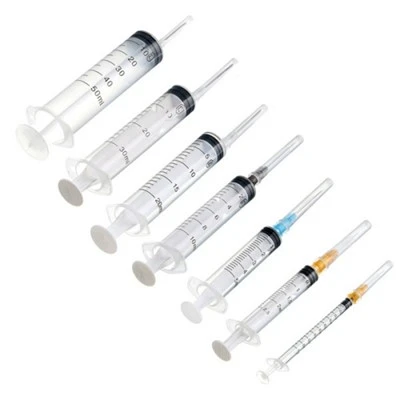
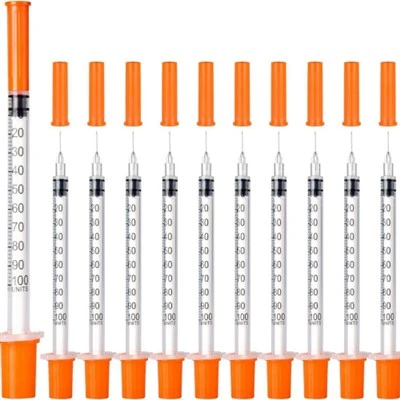
Hey there! As a supplier of Pen Type Blood Collection Needles, I've been in the thick of the medical supply game for quite some time. One question that comes up a lot is, "What are the factors affecting the cost of pen type blood collection needles?" Well, let's dive right in and explore this topic together.
1. Raw Materials
The first and most obvious factor is the cost of raw materials. Pen type blood collection needles are made from a variety of materials, and the quality and type of these materials can have a huge impact on the final cost.
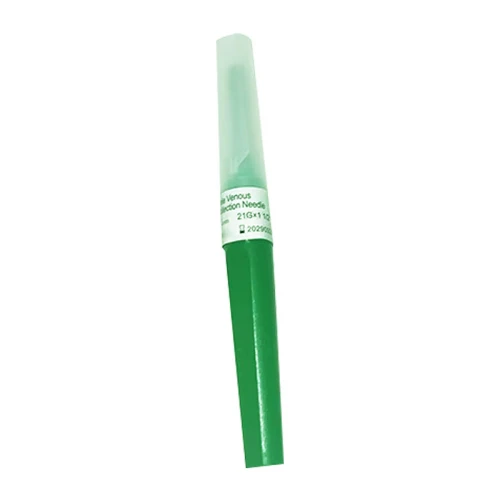
- Stainless Steel: The needle part is usually made of high - quality stainless steel. The grade of stainless steel matters a lot. Higher - grade stainless steel is more resistant to corrosion, sharper, and can ensure a smoother blood collection process. But it also comes with a higher price tag. For example, medical - grade 304 stainless steel is commonly used, and its price can fluctuate based on market demand and supply. If there's a shortage of stainless steel in the market, the cost of producing the needles will go up, and that increase will be reflected in the selling price.
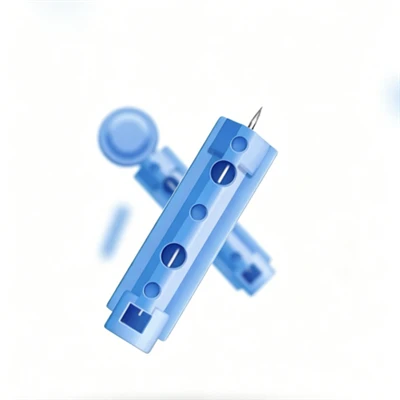
- Plastic Components: The pen - like housing of the blood collection needle is typically made of plastic. Different types of plastics have different costs. Medical - grade plastics that are biocompatible and safe for use in contact with human blood are more expensive. For instance, polycarbonate is a popular choice due to its strength and transparency, but it's pricier than some other common plastics.
2. Manufacturing Process
The manufacturing process of pen type blood collection needles is complex, and each step can add to the cost.
- Precision Machining: The needles need to be extremely sharp and have a precise inner diameter to ensure accurate blood collection. Precision machining techniques are used to achieve this. These techniques require specialized equipment and highly skilled operators. The investment in machinery, as well as the cost of training and paying skilled workers, is factored into the price of the needles.
- Quality Control: Quality control is of utmost importance in the medical device industry. Pen type blood collection needles need to meet strict quality standards. This involves multiple levels of testing, such as checking the sharpness of the needle, the sterility of the product, and the functionality of the pen - type design. The cost of testing equipment, the time spent on testing, and any potential rework due to failed tests all contribute to the overall cost.
3. Research and Development (R&D)
In the medical field, innovation is key. Companies are constantly investing in R&D to improve the design and functionality of pen type blood collection needles.
- New Features: For example, some companies are working on developing needles with less pain during blood collection. This could involve using special coatings on the needle or changing the shape of the tip. The cost of researching and developing these new features is significant. It includes the salaries of researchers, the cost of conducting clinical trials, and the expenses associated with prototyping. All these costs are eventually passed on to the customers.
- Compliance with Regulations: As regulations in the medical industry become more stringent, companies need to invest in R&D to ensure that their products comply. This might involve developing new manufacturing processes or adding new safety features. The resources spent on meeting these regulatory requirements also affect the cost of the needles.
4. Branding and Marketing
Branding and marketing play a role in the cost of pen type blood collection needles as well.
- Brand Reputation: Well - known brands often charge a premium for their products. A brand that has a reputation for high - quality, reliable medical devices can command a higher price in the market. This is because customers are willing to pay more for the peace of mind that comes with using a trusted brand. Building and maintaining a brand reputation requires significant investment in advertising, public relations, and customer service.
- Marketing Campaigns: Companies also spend money on marketing campaigns to promote their pen type blood collection needles. This can include attending medical conferences, running online ads, and providing samples to healthcare providers. The cost of these marketing activities is added to the overall cost of the product.
5. Packaging
Proper packaging is essential for pen type blood collection needles. It not only protects the product during transportation and storage but also provides important information to the user.
- Sterile Packaging: The needles need to be packaged in a sterile environment to maintain their sterility. Specialized packaging materials and techniques are used for this purpose. For example, blister packs made of medical - grade plastic are commonly used. These packs are designed to be easy to open and to prevent contamination. The cost of the packaging materials, as well as the cost of the packaging process itself, contributes to the final cost of the needles.
- Labeling: The packaging also includes labels with information such as the needle size, expiration date, and usage instructions. The design and printing of these labels, as well as ensuring that they comply with regulatory requirements, add to the cost.
6. Market Demand and Supply
The basic economic principle of supply and demand also affects the cost of pen type blood collection needles.
- High Demand: If there is a sudden increase in the demand for pen type blood collection needles, for example, during a disease outbreak that requires more blood testing, the price may go up. This is because suppliers may struggle to keep up with the demand, and they may have to increase the price to balance the market.
- Supply Constraints: On the other hand, if there are supply constraints, such as a shortage of a key raw material or a problem with the manufacturing process, the cost of the needles will also rise. This is because the limited supply cannot meet the existing demand.
Related Products
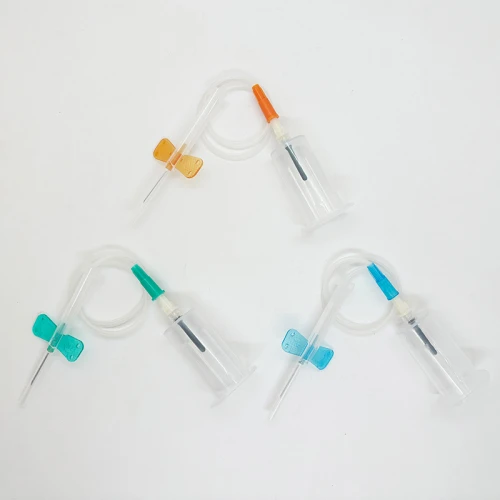
If you're interested in other types of blood collection needles, we also offer a range of products, including Multi-Sample Blood Collection Needles, Double Wing Blood Collection Needles, Disposable Painless Blood Collection Needles, Lab Test Blood Collection Needles, and Pediatric Blood Collection Needles. Each of these products has its own unique features and benefits, and we're happy to discuss which one might be the best fit for your needs.
Conclusion
So, as you can see, there are many factors that affect the cost of pen type blood collection needles. From raw materials and manufacturing processes to R&D, branding, packaging, and market forces, each element plays a role in determining the final price. If you're in the market for pen type blood collection needles or any of our related products, we'd love to have a chat with you. Whether you have questions about the cost, the features, or the suitability of our products for your specific needs, don't hesitate to reach out. We're here to help you make the best choice for your medical supply requirements.