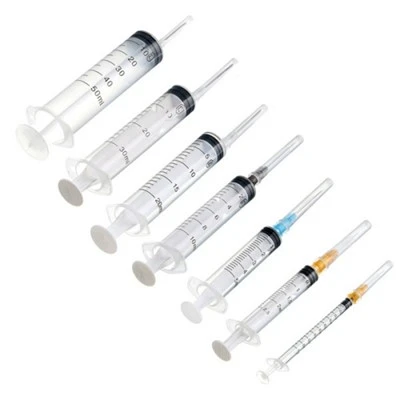
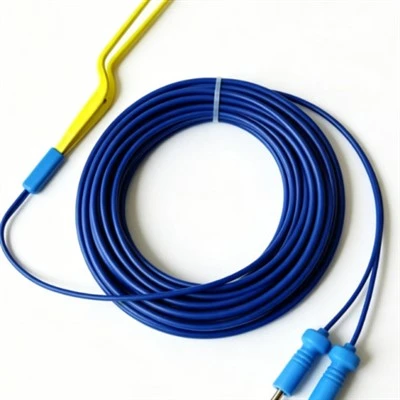
Hey there, folks! As a supplier of Lab Test Blood Collection Needles, I've seen firsthand just how crucial it is to get the needle insertion depth right during blood collection for lab tests. It's not just a matter of making the process quick and efficient; it's about ensuring accurate results and the comfort of the patient. So, today, I'm gonna share some tips and insights on how to ensure the correct needle insertion depth in lab test blood collection.
First off, let's talk about why the right insertion depth is so important. If the needle goes in too shallow, it may not reach the vein properly, leading to a difficult or failed blood draw. This can be frustrating for both the phlebotomist and the patient, and it might require multiple attempts to collect an adequate blood sample. On the other hand, if the needle is inserted too deep, it can cause damage to surrounding tissues, nerves, or arteries. This can lead to pain, bruising, or even more serious complications. So, finding that sweet spot is key.
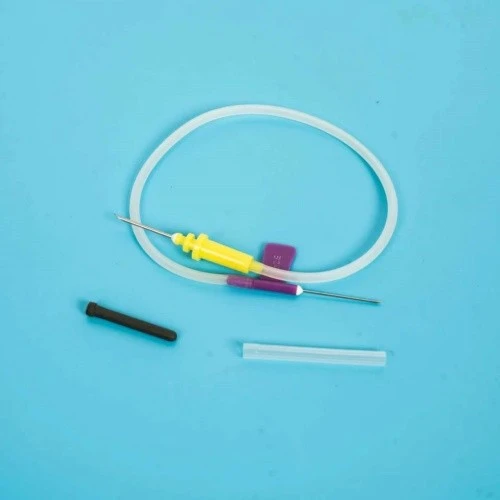
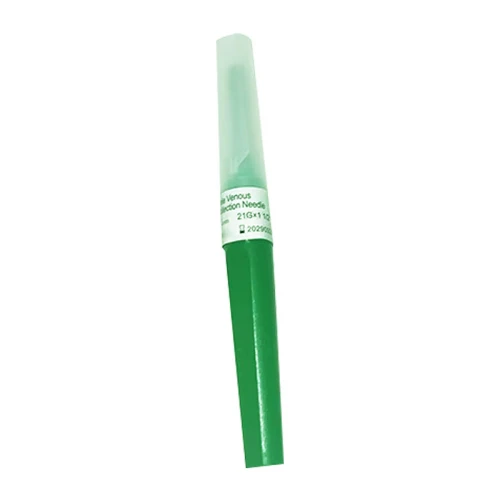
One of the first things to consider is the patient's anatomy. Everyone's veins are different, and factors like age, weight, and medical history can all affect the location and accessibility of the veins. For example, in infants and young children, veins are smaller and more delicate, so extra care must be taken. That's where Pediatric Blood Collection Needles come in handy. These needles are specifically designed with shorter lengths and smaller gauges to accommodate the smaller veins in pediatric patients.
In adults, the location of the vein also plays a big role. The most common sites for blood collection are the median cubital vein, cephalic vein, and basilic vein in the antecubital fossa (the bend of the elbow). These veins are usually large and easy to access, but their depth can vary from person to person. You can often feel for the vein with your fingertips to get a sense of its location and depth. If you're having trouble finding the vein, you can apply a warm compress to the area to help dilate the veins and make them more visible.
Another important factor is the type of needle being used. At our company, we offer a variety of Lab Test Blood Collection Needles to meet different needs. For example, Multi - Sample Blood Collection Needles are great for situations where multiple blood samples need to be collected. These needles are designed to be inserted into the vein and left in place while different tubes are attached to collect the blood. The length of these needles is usually chosen based on the expected depth of the vein.
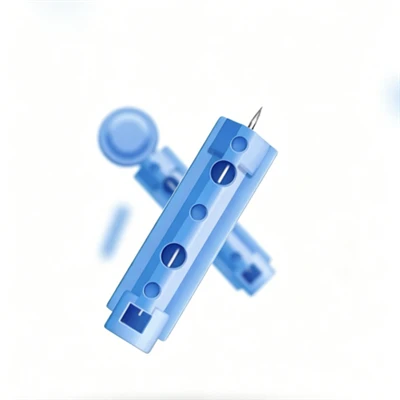
Similarly, Pen Type Blood Collection Needles are often used for capillary blood collection, such as for glucose testing. These needles are shorter and designed to prick the skin at a specific depth to collect a small amount of blood from the capillaries.
When it comes to the actual insertion process, there are a few techniques that can help ensure the correct depth. First, make sure the patient's arm is in a comfortable position and the vein is well - anchored. You can use your non - dominant hand to gently stretch the skin over the vein to make it more visible and stable. Then, hold the needle at a slight angle (usually around 15 to 30 degrees) and insert it smoothly and quickly through the skin and into the vein.
As you insert the needle, you should feel a slight "pop" or resistance give way as the needle enters the vein. Once you're in the vein, you should see blood start to flow into the hub of the needle or the collection tube. If you don't see blood, it's possible that the needle is either not in the vein at all or is only partially in the vein. In this case, you may need to adjust the depth slightly by either pushing the needle in a bit more or pulling it back a little.
But be careful not to move the needle around too much once it's inserted, as this can cause damage to the vein and make the blood draw more difficult. If you're still having trouble getting blood after a few adjustments, it's best to remove the needle and try again in a different location.
It's also important to note that proper training is essential for phlebotomists. They should be educated on the correct techniques for vein selection, needle insertion, and sample collection. Regular practice and feedback can help improve their skills and reduce the risk of incorrect needle insertion depths.
And let's not forget about the patient's comfort. Using Disposable Painless Blood Collection Needles can go a long way in making the blood collection process more comfortable. These needles are designed with features like sharp tips and thin walls to minimize pain and tissue damage.
In addition to the techniques and equipment, maintaining a sterile environment is also crucial. Make sure to clean the puncture site thoroughly with an antiseptic solution before inserting the needle to prevent infections.
So, there you have it! Ensuring the correct needle insertion depth in lab test blood collection is a combination of understanding the patient's anatomy, choosing the right needle, using proper insertion techniques, and providing a comfortable and sterile environment.
If you're in the market for high - quality blood collection needles, whether it's for a hospital, a clinic, or a research lab, we've got you covered. Our Lab Test Blood Collection Needles are designed to meet the highest standards of quality and functionality. We're always happy to help you find the right products for your needs. So, if you're interested in learning more or want to start a procurement discussion, don't hesitate to reach out.