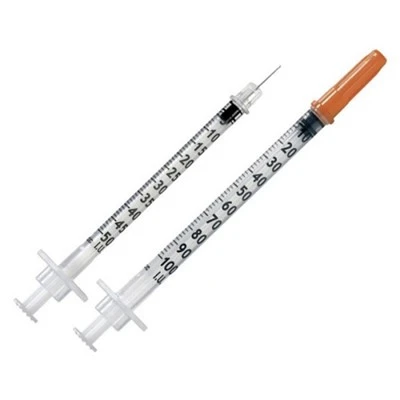
Testing must be conducted using specialized instruments and equipment. Physical performance testing typically uses a universal testing machine to assess syringe rigidity and piston sliding properties; optical projectors or video measurement systems are used to accurately measure scale accuracy and needle tip geometry; torque meters test the connection strength between the syringe and needle; and needle tip piercing force testers assess needle sharpness.
For chemical testing, gas chromatography is used to accurately determine ethylene oxide residues; ultraviolet spectrophotometers detect extractable content; and atomic absorption spectrometry analyzes heavy metal residues. Biological testing must be conducted in a clean laboratory environment, with key equipment including biosafety cabinets, incubators, bacterial endotoxin analyzers, and cell culture systems to ensure the testing process is free from external contamination.