The flow rate of blood through pediatric blood collection needles is a crucial parameter in the field of medical diagnostics, especially when dealing with young patients. As a leading supplier of Pediatric Blood Collection Needles, understanding this concept is fundamental to providing high - quality products and ensuring accurate and efficient blood collection.
Factors Influencing Blood Flow Rate
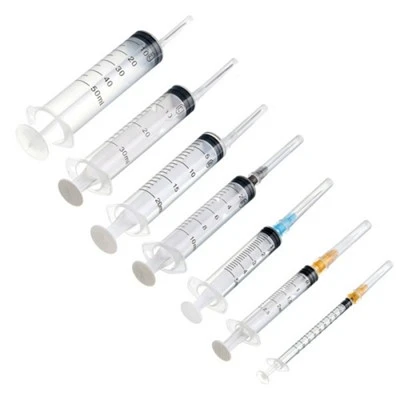
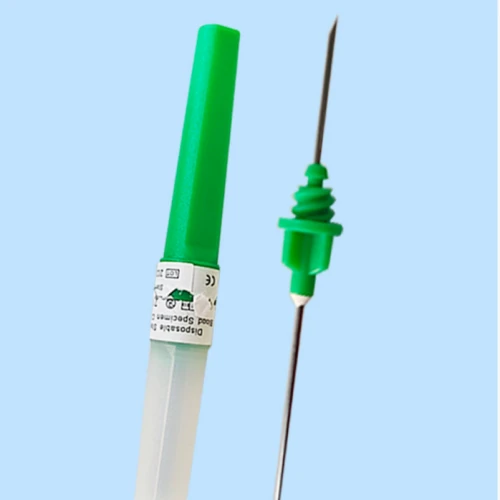
Several factors play a role in determining the flow rate of blood through pediatric blood collection needles. One of the most significant factors is the needle gauge. Needle gauges are numbered inversely; the higher the gauge number, the smaller the needle diameter. For pediatric patients, smaller gauge needles (such as 23G, 25G, or 27G) are commonly used to minimize pain and tissue damage. However, a smaller diameter needle restricts the flow of blood. According to research, a larger gauge needle (e.g., 21G Venous Blood Collection Needles) will have a higher blood flow rate compared to a smaller gauge needle because there is less resistance to the flow of fluid within a wider lumen.
Another factor is the length of the needle. A longer needle can increase the resistance to blood flow. When the blood has to travel a longer distance through the needle lumen, the frictional forces between the blood and the inner wall of the needle become more significant, reducing the flow rate. Therefore, for pediatric blood collection, shorter needles are often preferred to optimize the blood flow rate while still being able to access the appropriate blood vessels.
The viscosity of the blood also affects the flow rate. Blood viscosity is influenced by factors such as hematocrit (the proportion of red blood cells in the blood), plasma protein concentration, and temperature. Higher hematocrit levels and increased plasma protein concentration can lead to a more viscous blood, which in turn decreases the blood flow rate through the needle. In pediatric patients, the normal range of hematocrit can vary depending on age, which needs to be considered when estimating the blood flow rate.
The pressure difference between the blood vessel and the collection device is also a key determinant. The greater the pressure gradient, the higher the blood flow rate. In a healthy situation, the venous blood pressure provides the driving force for blood to flow into the collection needle. However, factors such as the patient's position, the patency of the blood vessel, and the proper connection between the needle and the collection device can all affect this pressure difference.
Measuring Blood Flow Rate in Pediatric Needles
Measuring the blood flow rate through pediatric blood collection needles is a complex task. In a laboratory setting, specialized equipment can be used to accurately measure the volume of blood collected over a specific period of time. This typically involves using a calibrated container and a timer to record the time it takes to collect a known volume of blood. By dividing the volume by the time, the average blood flow rate can be calculated.
However, in a clinical setting, such precise measurements are often not feasible. Clinicians usually rely on visual cues and their experience to assess the adequacy of the blood flow. A slow - flowing blood collection can indicate issues such as a small gauge needle, a kinked tube, or a problem with the blood vessel. On the other hand, a very rapid blood flow might suggest a large gauge needle or a high venous pressure.
Importance of Optimal Blood Flow Rate
An optimal blood flow rate is of utmost importance in pediatric blood collection. Firstly, it ensures that an adequate volume of blood is collected for diagnostic tests. Many laboratory tests require a specific minimum volume of blood to provide accurate results. If the blood flow rate is too low, it may take an extended period to collect the required volume, which can be distressing for the child and may also lead to inaccurate test results due to hemolysis (the breakdown of red blood cells) caused by prolonged exposure to the needle and collection device.
Secondly, a proper blood flow rate helps to minimize pain and discomfort for the pediatric patient. When the blood is flowing smoothly through the needle, there is less resistance and trauma to the blood vessel. In contrast, a slow - flowing blood collection can result in more pressure on the blood vessel walls, leading to increased pain and a higher risk of complications such as hematoma (a mass of blood outside the blood vessel).
Our Pediatric Blood Collection Needles
As a dedicated supplier of Pediatric Blood Collection Needles, we have designed our products with a focus on optimizing the blood flow rate while ensuring minimal pain for the young patients. Our needles are manufactured using high - quality materials that have a smooth inner surface, reducing the frictional forces and facilitating a better blood flow.
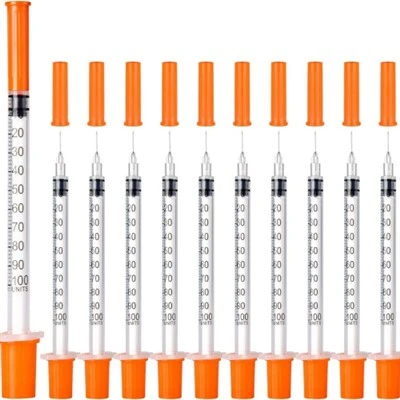
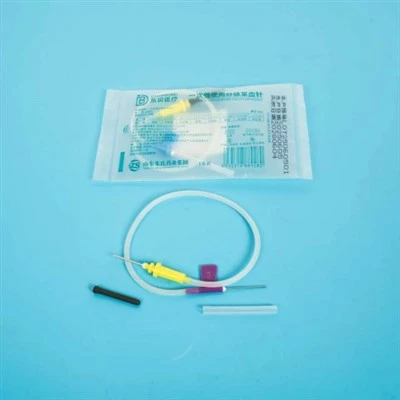
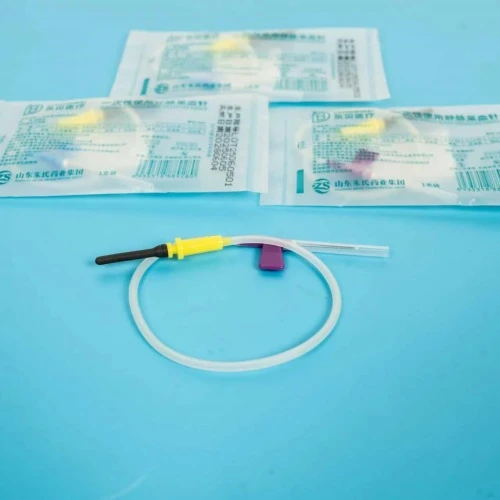
We offer a variety of needle gauges and lengths to meet different clinical needs. Our smaller gauge needles are sharp and thin, designed to cause less pain during insertion, and yet they are engineered to provide an adequate blood flow rate. We also have Double Wing Blood Collection Needles that offer better control during the blood collection process, which can indirectly affect the blood flow rate by ensuring a proper connection to the blood vessel.
In addition, our Disposable Painless Blood Collection Needles are designed with a special tip that reduces the trauma to the blood vessel walls, allowing for a more natural and efficient blood flow. These needles are also single - use, which helps to prevent the spread of infections.
Applications in Different Pediatric Settings
In pediatric hospitals and clinics, our blood collection needles are used for a wide range of diagnostic tests. For routine blood tests such as complete blood count (CBC), blood chemistry panels, and coagulation studies, an appropriate blood flow rate is essential to obtain accurate results. Our Lab Test Blood Collection Needles are well - suited for such applications.
In neonatal intensive care units (NICUs), where the blood vessels of premature infants are extremely small and delicate, our smallest gauge needles are used. These needles are designed to provide a gentle yet sufficient blood flow, allowing for the collection of small volumes of blood for frequent monitoring of the infant's health status.
Conclusion
The flow rate of blood through pediatric blood collection needles is a multi - faceted concept that is influenced by various factors such as needle gauge, length, blood viscosity, and pressure difference. An optimal blood flow rate is crucial for accurate diagnostic testing and minimizing pain and discomfort for pediatric patients.
As a leading supplier of pediatric blood collection needles, we are committed to providing high - quality products that are designed to optimize the blood flow rate. Our range of products, including different needle gauges and specialized designs, caters to the diverse needs of pediatric healthcare settings.
If you are involved in pediatric healthcare and are looking for reliable blood collection needles, we invite you to contact us for procurement discussions. Our team of experts is ready to assist you in selecting the most suitable products for your specific requirements.