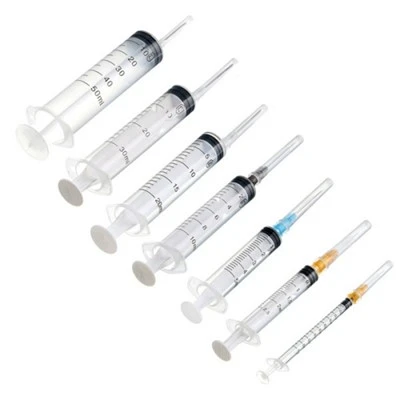
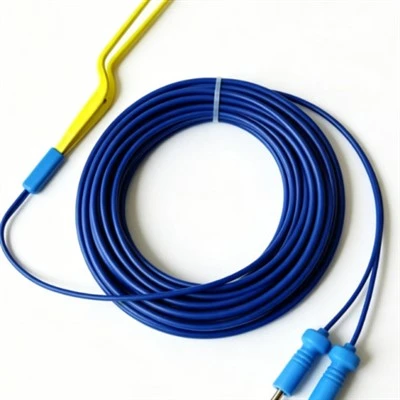
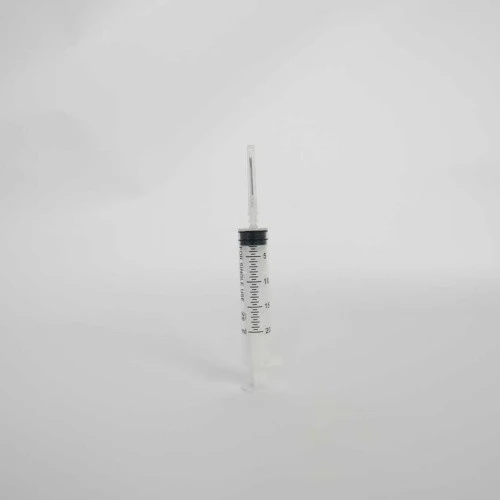
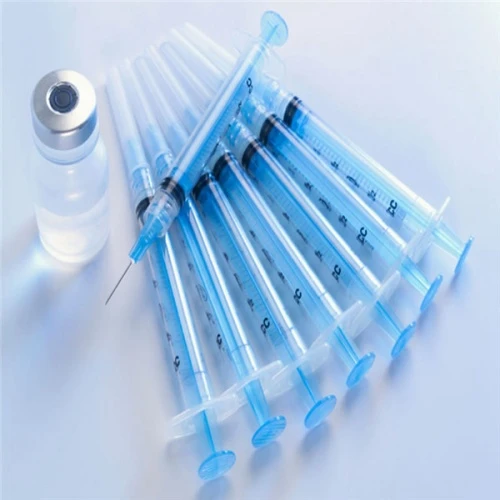
As a supplier of Ethylene Oxide Sterilized Syringes, ensuring the efficiency and safety of our ethylene oxide sterilization equipment is paramount. The frequency of maintenance for this equipment directly impacts the quality of our products, such as 5ml Luer Slip Syringes, 3ml Medical Sterile Syringes, 10ml Luer Lock Syringes, 50ml Irrigation Syringes, and 20ml Large Capacity Syringes. In this blog post, I will delve into the factors that determine the maintenance frequency and provide some general guidelines.
Factors Influencing Maintenance Frequency
Equipment Usage
The more frequently the ethylene oxide sterilization equipment is used, the more often it needs to be maintained. High - volume production of syringes means that the equipment is constantly under stress, with components wearing out at a faster rate. For example, if we are running multiple sterilization cycles per day to meet the demand for our 3ml Medical Sterile Syringes, the seals, valves, and heating elements are likely to experience more wear and tear compared to equipment that is used less frequently.
Environmental Conditions
The environment in which the sterilization equipment is located also plays a crucial role. If the equipment is placed in a humid or dusty environment, it can lead to corrosion and clogging of components. In a manufacturing facility where there are high levels of airborne particles, the filters in the ethylene oxide sterilization system may need to be replaced more often. Additionally, extreme temperatures can affect the performance of the equipment, causing thermal expansion and contraction of parts, which can lead to leaks or malfunctions.
Manufacturer's Recommendations
The manufacturer of the ethylene oxide sterilization equipment provides detailed maintenance guidelines based on their research and testing. These recommendations take into account the design and materials of the equipment. They usually specify the intervals for tasks such as lubrication, calibration, and inspection of critical components. Ignoring the manufacturer's guidelines can void the warranty and may lead to premature equipment failure.
General Maintenance Intervals
Daily Maintenance
- Visual Inspection: At the start of each workday, a visual inspection of the ethylene oxide sterilization equipment should be conducted. Check for any signs of leaks, loose connections, or abnormal noises. This simple check can help detect early signs of problems and prevent major breakdowns.
- Cleaning: The exterior of the equipment should be cleaned daily to remove any dust or debris. This helps maintain a clean working environment and prevents contaminants from entering the equipment.
Weekly Maintenance
- Filter Checks: The air filters in the sterilization system should be checked weekly. If they are dirty or clogged, they should be replaced immediately. Clogged filters can reduce the efficiency of the system and may lead to uneven sterilization of syringes.
- Lubrication: Some moving parts of the equipment, such as conveyor belts or rotating mechanisms, may require lubrication on a weekly basis. This ensures smooth operation and reduces friction, which can extend the lifespan of the components.
Monthly Maintenance
- Calibration: The sensors and controls of the ethylene oxide sterilization equipment should be calibrated monthly. This ensures that the temperature, pressure, and gas concentration are accurately measured and maintained during the sterilization process. Inaccurate calibration can result in ineffective sterilization or over - exposure to ethylene oxide, which is harmful to human health.
- Seal Inspection: The seals on the doors and chambers of the sterilization equipment should be inspected for signs of wear or damage. Damaged seals can lead to gas leaks, compromising the safety of the operators and the quality of the sterilization process.
Quarterly Maintenance
- Component Replacement: Some components, such as valves and gaskets, may need to be replaced on a quarterly basis. These parts are subject to constant stress during the sterilization process and can deteriorate over time. Regular replacement helps prevent unexpected breakdowns and ensures the reliability of the equipment.
- System Performance Testing: A comprehensive performance test of the entire ethylene oxide sterilization system should be conducted quarterly. This includes checking the sterilization cycle time, gas consumption, and the effectiveness of the ventilation system. Any deviations from the normal performance should be investigated and corrected immediately.
Annual Maintenance
- Major Overhaul: Once a year, the ethylene oxide sterilization equipment should undergo a major overhaul. This involves disassembling the equipment, inspecting all components, and replacing any worn - out parts. The electrical and mechanical systems should also be thoroughly tested to ensure their safety and reliability.
- Compliance Check: An annual compliance check should be carried out to ensure that the equipment meets all relevant industry standards and regulations. This includes checking the emissions of ethylene oxide, the safety features of the equipment, and the accuracy of the sterilization records.
Importance of Regular Maintenance
Regular maintenance of ethylene oxide sterilization equipment is essential for several reasons. Firstly, it ensures the safety of the operators. Ethylene oxide is a toxic and flammable gas, and any leaks or malfunctions in the equipment can pose a serious risk to the health of the workers. By conducting regular inspections and maintenance, we can detect and fix potential safety hazards before they cause an accident.
Secondly, regular maintenance guarantees the quality of the sterilized syringes. In the medical industry, the sterility of syringes is critical to prevent infections. If the sterilization equipment is not properly maintained, it may not be able to achieve the required level of sterilization, which can lead to the distribution of non - sterile products. This can have serious consequences for patients and can damage the reputation of our company.
Finally, regular maintenance can save costs in the long run. Although maintenance requires an investment of time and money, it can prevent major breakdowns and the need for expensive repairs. By extending the lifespan of the equipment, we can reduce the frequency of equipment replacement, which is a significant capital expenditure.
Conclusion
In conclusion, the frequency of maintenance for ethylene oxide sterilization equipment depends on several factors, including equipment usage, environmental conditions, and manufacturer's recommendations. By following a regular maintenance schedule, including daily, weekly, monthly, quarterly, and annual maintenance tasks, we can ensure the safety of our operators, the quality of our 5ml Luer Slip Syringes, 3ml Medical Sterile Syringes, and other syringe products, and the cost - effectiveness of our operations.
If you are interested in purchasing our Ethylene Oxide Sterilized Syringes or have any questions about our products, we welcome you to contact us for further discussions and procurement negotiations. Together, we can ensure the highest standards of sterility and quality in the medical equipment market.