Storing disposable sterile insulin syringes correctly is super important to keep their quality intact. As a supplier of these syringes, I've seen firsthand the impact of proper and improper storage on their effectiveness. So, let's dive into how you can store these crucial medical tools to make sure they're always in top - notch condition.
Why Proper Storage Matters
Before we get into the nitty - gritty of storage, let's talk about why it's so important. Disposable sterile insulin syringes are designed to be single - use, and their sterility is key to preventing infections and ensuring accurate dosing. If they're not stored properly, the sterility can be compromised, and the syringe's functionality may also be affected.
For example, if the syringe is exposed to extreme temperatures or moisture, it could cause the plastic to warp or the needle to dull. This not only makes the injection process more painful for the user but can also lead to inaccurate insulin delivery, which is a big no - no when it comes to managing diabetes.
Ideal Storage Conditions
Temperature
The ideal temperature range for storing disposable sterile insulin syringes is between 2°C and 25°C (36°F and 77°F). This is a relatively wide range, but it's important to keep them within this limit as much as possible. Extreme heat can cause the plastic parts of the syringe to expand and potentially break the seal, while extreme cold can make the plastic brittle.
If you live in an area with very hot summers or cold winters, consider storing the syringes indoors, away from direct sunlight and heating or cooling sources. A closet or a cabinet in a room with stable temperature is usually a good choice.
Humidity
Humidity can also be a problem. High humidity levels can lead to the growth of mold and bacteria on the syringe packaging, which can then contaminate the syringe itself. Aim for a humidity level of around 30% - 60%. If you live in a humid climate, you might want to use a dehumidifier in the storage area.
Light
Direct sunlight and harsh artificial light can damage the syringes over time. UV rays can break down the plastic and affect the sterility of the product. Store the syringes in a dark place, like a drawer or a box.
Packaging and Handling
Original Packaging
Always keep the syringes in their original packaging until you're ready to use them. The packaging is designed to protect the syringe from contamination and damage. It's also marked with important information like the expiration date and the type of syringe.
Avoid Rough Handling
When moving or storing the syringes, be gentle. Rough handling can cause the needle to bend or damage the syringe body. Don't stack heavy objects on top of the syringe packages, and avoid dropping or shaking them.
Storage Locations
Home Storage
At home, a medicine cabinet is a great place to store disposable sterile insulin syringes. It's usually away from direct sunlight, and the temperature is relatively stable. Just make sure to keep it out of reach of children and pets.
If you don't have a medicine cabinet, a small plastic container in a closet can also work. Label the container clearly so you know what's inside.
Travel Storage
When traveling, you need to take extra care. You can use a small, insulated case to keep the syringes at the right temperature. There are also Portable Insulin Syringes available that are designed to be more convenient for on - the - go use.
It's also a good idea to carry a spare set of syringes in case of any unexpected situations. And always keep the syringes in your carry - on luggage when flying, as checked luggage can be exposed to extreme temperatures in the cargo hold.
Different Types of Syringes and Their Storage
Sterile Diabetic Insulin Syringes
These are the standard syringes used by most diabetics. They come in different sizes and needle lengths. The storage requirements are the same as mentioned above, but make sure to check the expiration date regularly.
8mm Standard Needle Insulin Syringes
The 8mm needle length is a popular choice. These syringes are more likely to be used by people who need a slightly longer needle for proper insulin delivery. Just like other syringes, keep them in a cool, dry place and avoid any damage to the needle.
Insuline Sterile Safety Syringe with Orange Top
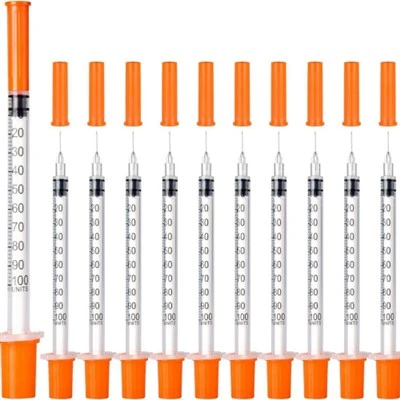
This type of syringe has a safety feature to prevent accidental needle sticks. The safety mechanism should be protected during storage. Don't press or tamper with the safety device until you're ready to use the syringe.
Insulin Syringe for Diabetic Use
These syringes are specifically designed for diabetic patients. They offer accurate dosing and are made with high - quality materials. Follow the same storage guidelines to ensure their long - term quality.
Monitoring and Inspection
Regularly check the stored syringes for any signs of damage or contamination. Look for cracks in the plastic, bent needles, or any signs of moisture inside the package. If you notice any issues, don't use the syringe.
Also, keep an eye on the expiration date. Expired syringes may not be sterile or may not function properly, so it's best to dispose of them safely.
Conclusion
Storing disposable sterile insulin syringes correctly is essential for maintaining their quality and ensuring their effectiveness. By following these simple tips on temperature, humidity, light, packaging, and handling, you can make sure that the syringes you use or supply are always in great condition.
If you're a healthcare provider or a person with diabetes looking for high - quality disposable sterile insulin syringes, we're here to help. We're a reliable supplier of a wide range of Insulin Syringe for Diabetic Use. Whether you need Portable Insulin Syringes for travel or 8mm Standard Needle Insulin Syringes for regular use, we've got you covered.
If you're interested in purchasing our products or have any questions, feel free to reach out. We're happy to discuss your specific needs and provide you with the best solutions.