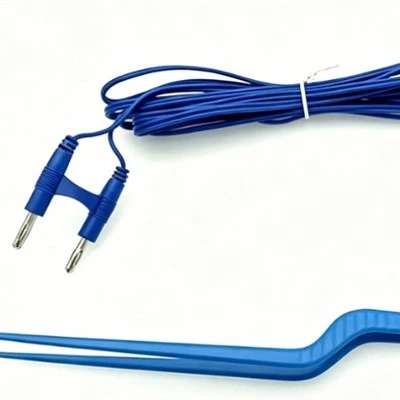
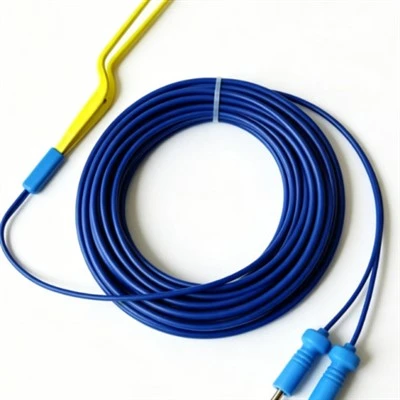
Micro bipolar forceps are essential tools in various surgical procedures, especially in delicate surgeries where precision and minimal tissue damage are crucial. As a trusted supplier of high - quality micro bipolar forceps, including Curved Tip Bipolar Forceps, Surgical Bipolar Forceps, Pediatric Surgery Bipolar Forceps, Sterile Bipolar Electrosurgical Forceps, and Fine Tip Bipolar Forceps, we understand the importance of proper sterilization to ensure patient safety and the longevity of the instruments.
Why Sterilization is Crucial
Sterilization of micro bipolar forceps is not just a routine step; it is a critical process that directly impacts patient outcomes. In surgical settings, any contamination on the forceps can lead to surgical site infections (SSIs), which are associated with increased morbidity, mortality, and healthcare costs. Moreover, proper sterilization helps maintain the functionality of the forceps. Micro bipolar forceps are often made with precision - engineered components, and any build - up of debris or biological matter can affect their electrical conductivity, mechanical performance, and overall lifespan.
Pre - Sterilization Cleaning
Before the actual sterilization process begins, thorough pre - sterilization cleaning is essential. This step removes visible debris, blood, and tissue from the forceps, which can interfere with the effectiveness of the sterilization method.
-
Immediate Rinsing: As soon as possible after use, the micro bipolar forceps should be rinsed under warm running water. This helps to remove gross contaminants such as blood clots and large tissue fragments. Avoid using hot water initially, as it can cause proteins in the blood to denature and adhere more firmly to the instrument surface.
-
Disassembly: Many micro bipolar forceps are designed to be disassembled into smaller components. This allows for more effective cleaning of all internal and external surfaces. Refer to the manufacturer's instructions for proper disassembly procedures. Be careful not to lose any small parts during disassembly.
-
Detergent Soaking: Immerse the disassembled forceps in a mild, enzymatic detergent solution. Enzymatic detergents are specifically formulated to break down organic matter such as proteins, fats, and carbohydrates. Follow the manufacturer's recommended dilution ratio and soaking time. Gently agitate the forceps in the solution to ensure all surfaces come into contact with the detergent.
-
Brushing: Use a soft - bristle brush to clean the forceps thoroughly. Pay special attention to hard - to - reach areas such as the tips, joints, and grooves. Be gentle to avoid scratching the instrument surface, which could create niches for bacteria to grow.
-
Rinsing: After soaking and brushing, rinse the forceps thoroughly under running water to remove all traces of detergent. Any remaining detergent residue can interfere with the sterilization process and may also be harmful to patients.
Sterilization Methods
There are several sterilization methods available for micro bipolar forceps, each with its own advantages and limitations.
Autoclaving
Autoclaving is one of the most commonly used sterilization methods in healthcare facilities. It involves exposing the forceps to high - pressure steam at a temperature of 121 - 134°C for a specific period.
-
Advantages: Autoclaving is a highly effective method for killing bacteria, viruses, fungi, and spores. It is relatively fast and cost - effective, and it does not leave any chemical residues on the instruments.
-
Disadvantages: Some micro bipolar forceps may not be suitable for autoclaving due to the high temperatures involved. High - heat can cause damage to certain materials, such as plastic components or delicate coatings on the forceps. Additionally, repeated autoclaving can cause wear and tear on the instruments over time.
-
Procedure: Place the cleaned and dried micro bipolar forceps in a suitable autoclave pouch or tray. Ensure that the forceps are arranged in a way that allows steam to circulate freely around them. Follow the autoclave manufacturer's instructions for loading, setting the appropriate temperature and time, and operating the autoclave. After the cycle is complete, allow the forceps to cool down before handling.
Ethylene Oxide (ETO) Sterilization
Ethylene oxide is a gaseous sterilant that is effective against a wide range of microorganisms, including spores.
-
Advantages: ETO sterilization is a low - temperature process, which makes it suitable for heat - sensitive materials. It can penetrate deep into porous materials and complex instrument designs, ensuring thorough sterilization.
-
Disadvantages: ETO is a toxic and flammable gas, which requires special handling and storage facilities. The sterilization cycle is relatively long, often taking several hours, and the forceps need to be aerated after sterilization to remove any residual ETO, which can be harmful to patients.
-
Procedure: The cleaned micro bipolar forceps are placed in a sealed ETO sterilization chamber. The chamber is evacuated to remove air, and ETO gas is introduced at a specific concentration and temperature. After the appropriate exposure time, the ETO gas is removed, and the forceps are aerated according to the manufacturer's recommendations.
Chemical Sterilization
Chemical sterilants such as glutaraldehyde, hydrogen peroxide, and peracetic acid can be used to sterilize micro bipolar forceps.
-
Advantages: Chemical sterilants can be used at room temperature, making them suitable for heat - sensitive instruments. They are effective against a wide range of microorganisms and can penetrate into difficult - to - reach areas.
-
Disadvantages: Chemical sterilants can be corrosive to some metals and may cause damage to the forceps if not used correctly. They also require proper ventilation during use to prevent inhalation of toxic fumes, and the sterilization time can be relatively long.
-
Procedure: Immerse the cleaned micro bipolar forceps in a chemical sterilant solution that meets the required concentration and contact time. Follow the manufacturer's instructions for handling and disposing of the chemical sterilant. After the sterilization time is complete, thoroughly rinse the forceps with sterile water to remove all traces of the chemical.
Post - Sterilization Handling
Once the micro bipolar forceps are sterilized, proper post - sterilization handling is crucial to maintain their sterility.
-
Storage: Store the sterilized forceps in a clean, dry, and dust - free environment. Use sterile containers or packaging to prevent contamination. Label the containers with the date of sterilization and the expiration date, if applicable.
-
Inspection: Before using the forceps in a surgical procedure, visually inspect them for any signs of damage, such as bent tips or loose components. If any damage is detected, the forceps should not be used and should be either repaired or discarded.
-
Transportation: When transporting the sterilized forceps, ensure that they are protected from physical damage and contamination. Use appropriate carriers or trays that maintain the sterility of the instruments.
Quality Assurance and Monitoring
To ensure the effectiveness of the sterilization process, regular quality assurance and monitoring are necessary.
-
Biological Indicators: Use biological indicators, such as spore strips, to monitor the sterilization process. These indicators contain a known number of spores that are highly resistant to the sterilization method. After the sterilization cycle, the spore strips are incubated to check for any growth. If no growth is detected, it indicates that the sterilization process was effective.
-
Chemical Indicators: Chemical indicators can be used to monitor the physical conditions of the sterilization process, such as temperature, pressure, and exposure time. These indicators change color when exposed to the appropriate sterilization conditions, providing a visual indication that the process was carried out correctly.
-
Documentation: Keep detailed records of all sterilization cycles, including the date, time, sterilization method, load contents, and results of quality control tests. This documentation is important for regulatory compliance and for tracking the performance of the sterilization equipment.
Conclusion
Proper sterilization of micro bipolar forceps is a multi - step process that requires attention to detail and strict adherence to established protocols. As a supplier of high - quality micro bipolar forceps, we are committed to providing our customers with the information and support they need to ensure the safety and effectiveness of their surgical instruments. If you are interested in purchasing our top - quality micro bipolar forceps or have any questions about sterilization procedures, please contact us to start a procurement discussion. We look forward to working with you to meet your surgical instrument needs.